BNPL use remains divided
Buy now, pay later services are expected to play a larger role in some household budgets during the 2026 holiday season, but a new survey shows that many consumers remain unwilling to use them. About one-fifth of respondents said they expect to use BNPL more than they did last year. Nearly half, or 47%, said they do not expect to use the payment method at all.
The survey covered 1,099 U.S. consumers across genders, income levels, generations and geographic areas. It was conducted by the Electronic Transactions Association and TSG, The Strawhecker Group, a payments consulting firm. A further quarter of respondents said their BNPL use would remain about the same.
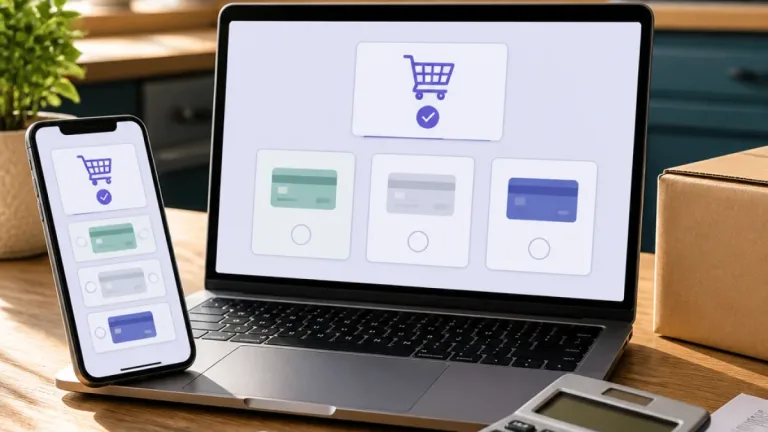
BNPL lets a consumer divide a purchase into installments, often without interest when payments are made under the provider’s terms. The products commonly appear at online checkout. The survey results show that consumers do not view the option uniformly: Some see it as a way to manage a large expense, while others associate it with debt or possible fees.
Consumers cite different reasons
Among respondents who favor BNPL, 52% said it helps them handle large expenses. Another 45% said they use it for unexpected purchases. Those figures point to BNPL being used not only for planned holiday shopping but also when consumers face a purchase they had not budgeted for.
Consumers who avoid the services gave different reasons. Seventy-three percent said they do not like taking on debt, while 55% said they did not want to risk high fees or interest payments. The responses reflect concerns about the cost and repayment obligations that can accompany installment purchases, even when a particular BNPL transaction is advertised as interest-free.
| Survey finding | Share of respondents |
|---|---|
| Expect to use BNPL more this holiday season | One-fifth |
| Expect to use BNPL about the same amount | One-quarter |
| Do not expect to use BNPL | 47% |
| Favor BNPL to manage large expenses | 52% of users who favor it |
Generational differences
Opinions also differed by age group. Forty-seven percent of millennials viewed BNPL favorably, compared with 39% of Gen Z respondents and 38% of Gen X respondents. Among baby boomers, 24% expressed a favorable view.
Across all generations and income groups, 37% of consumers viewed their BNPL purchases over the previous few months favorably. Thirty-six percent held an unfavorable view. The near-even split suggests that the payment method has not produced a broadly shared consumer experience.
Income differences were narrower. About 35% of both low-income and high-income consumers said they liked BNPL payments, while 40% of middle-income consumers preferred the method. The survey also asked about other payment tools used during the previous 12 months. Tap-to-pay led at 53%, followed by digital wallets at 31% and peer-to-peer apps at 28%. Only 9% said they had tried BNPL during that period.
The findings place BNPL between two competing consumer views. Some shoppers use installments to spread a costly or unexpected payment. Others reject the products because they do not want another debt obligation or the possibility of fees and interest. The survey does not indicate how much respondents borrowed, how many payments they missed or whether their BNPL use affected their credit reports.