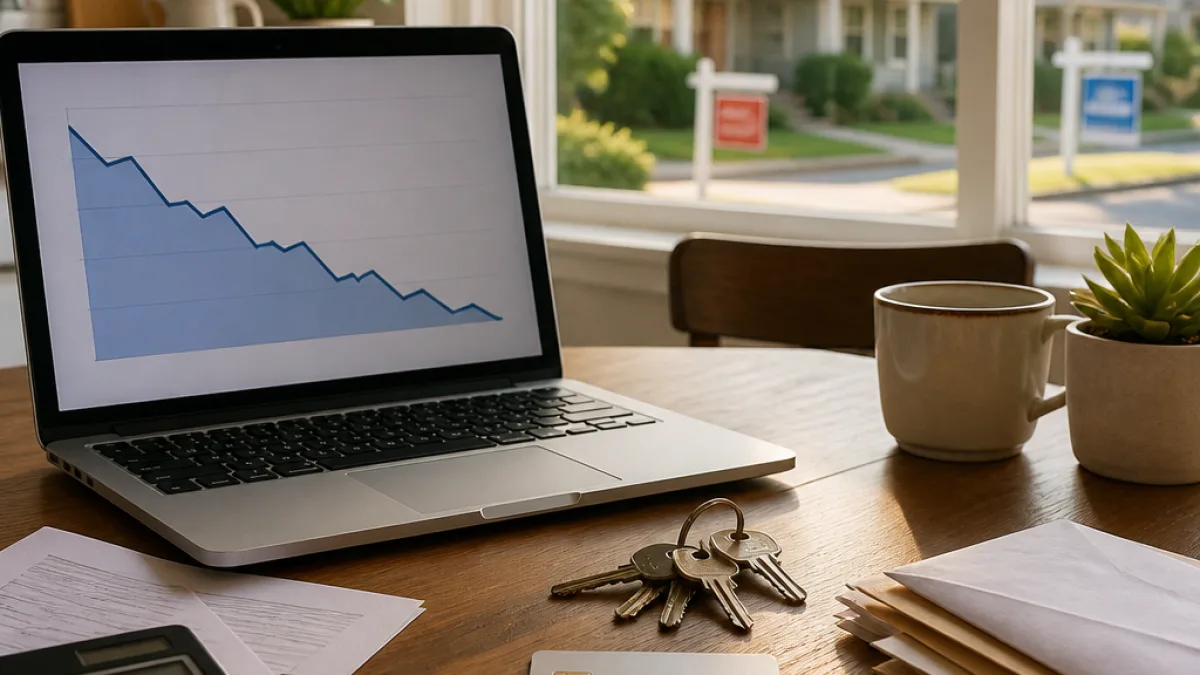
The U.S. housing market has cooled noticeably as higher mortgage rates, a prolonged run-up in prices and persistent inflation leave many sellers unable to find buyers, according to an Associated Press report on Oct. 25, 2026. Homes in some areas are sitting for months without offers, forcing many sellers to lower asking prices or add incentives to attract the limited pool of buyers.
What’s driving the slowdown
Mortgage rates have climbed from the lows seen earlier in the decade, increasing the monthly cost of financing for buyers. At the same time, the cumulative effect of several years of rapid home-price appreciation has pushed many prospective buyers beyond affordability thresholds. Inflation and broader economic strains are also weighing on household budgets, reducing buyer demand.
How sellers are responding
- Price cuts: Many sellers are reducing asking prices to generate interest and secure offers.
- Incentives: Homeowners are offering concessions — not detailed in the AP report — to make deals more attractive to limited buyers.
- Longer listing times: Homes are spending months on the market without receiving bids, leaving some sellers unable to relocate for jobs or to buy their next home.
The AP notes that the market imbalance — with more sellers than buyers in many local markets — suggests either that many buyers cannot afford to purchase at current finance costs or that sellers must lower prices further to close transactions.
Consequences for consumers and the market
For homeowners who need to move, the slowdown can stall life plans such as job relocations or downsizing. Prospective buyers may find more negotiating power in certain markets, but elevated mortgage costs continue to limit how many can qualify or afford typical monthly payments. The trend could lead to slower national price appreciation or localized price declines if sellers continue cutting prices to attract buyers.
The AP coverage included a photograph by LM Otero showing a homeowner outside a sold house in Murphy, Texas, illustrating how sellers across the country are confronting a market with fewer ready buyers. The report underscores that the housing slowdown stems from a combination of higher borrowing costs, prior rapid price gains and a challenging economic backdrop.