
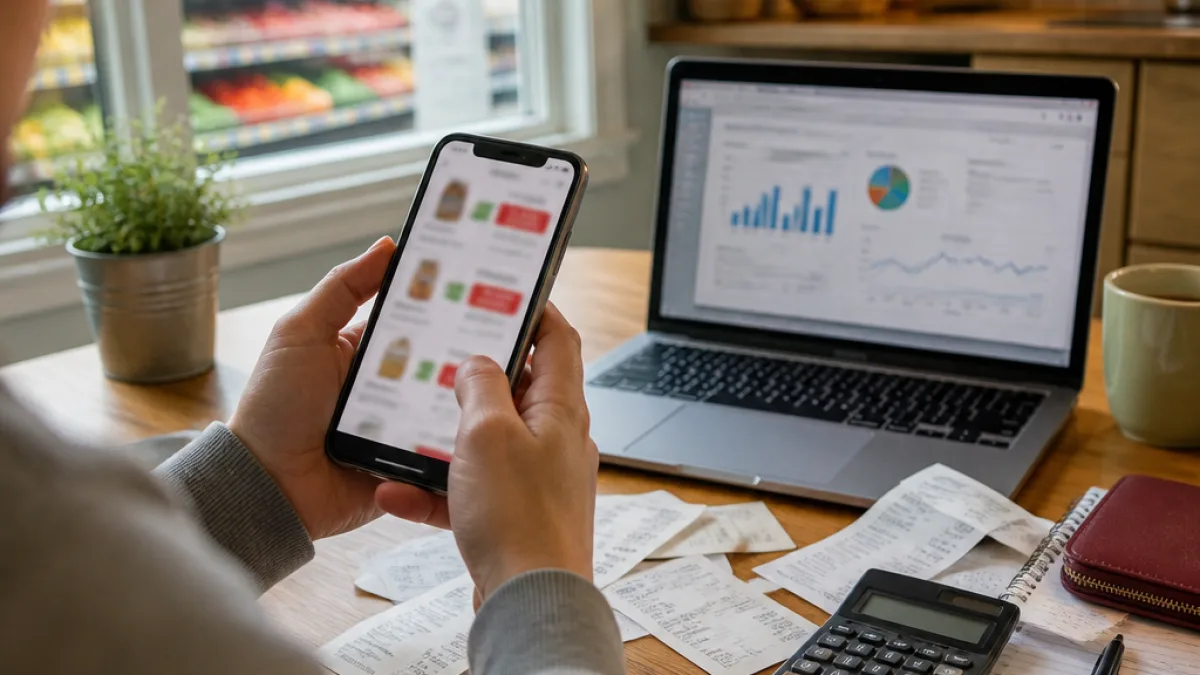
The Federal Trade Commission warned on Oct. 24 that a growing retail practice often called “surveillance pricing” could run afoul of U.S. consumer protection law if companies fail to disclose how they use personal data to set prices for individual shoppers.
What the FTC flagged
The agency said the technique — where a retailer uses information such as a shopper’s location, browsing history or past purchases to display a personalized price — raises legal concerns when it is undisclosed. The FTC emphasized that consumers typically expect a listed price to be uniform, not tailored to an individual based on their personal data.
“When consumers see a listed price, they expect it to be the same price that everyone else sees, not the retailer's estimate of how much they are willing to pay based on their personal data,” FTC Chairman Andrew Ferguson said.
Ferguson told LEX 18 the commission’s focus is on undisclosed, data-driven price differences rather than ordinary price changes tied to supply or demand. He said the agency is not seeking a blanket ban on personalized pricing.
“The FTC does not have the legal authority to ban personalized pricing in all circumstances, but businesses that fail to tell consumers how their personal data is being used to set a price may be in violation of the FTC Act and other laws we enforce,” Ferguson said.
How it works and why it matters
According to the FTC, surveillance pricing may use:
- location — where a shopper is browsing from;
- browsing history — pages and products viewed earlier; and
- purchase history — prior orders that suggest willingness to pay.
The FTC said undisclosed personalized pricing can make comparison shopping ineffective and leave some consumers paying more without realizing prices were tailored to them.
Policy and legislative backdrop
Lawmakers in at least 30 states have considered bills dealing with algorithmic or personalized pricing, underscoring the regulatory and legislative attention this practice is attracting, the report said.
| Issue | Why it matters |
| Undisclosed data use | May violate the FTC Act if consumers are not informed |
| Personalized pricing | Not banned outright by the FTC; disclosure is key |
The commission’s comments signal heightened scrutiny of AI and algorithm-driven pricing systems as retailers increasingly deploy them. The FTC’s view, as stated by its chairman, centers on transparency: businesses that use personal data to set different prices must make that use clear to consumers or risk enforcement under consumer-protection laws.